
Guide2023-05-17
New mosquito species in Europe, and what they mean for you
Several mosquito species that used to be rare in Europe are now seen far more often. Who they are, why they are spreading, and what helps at home.
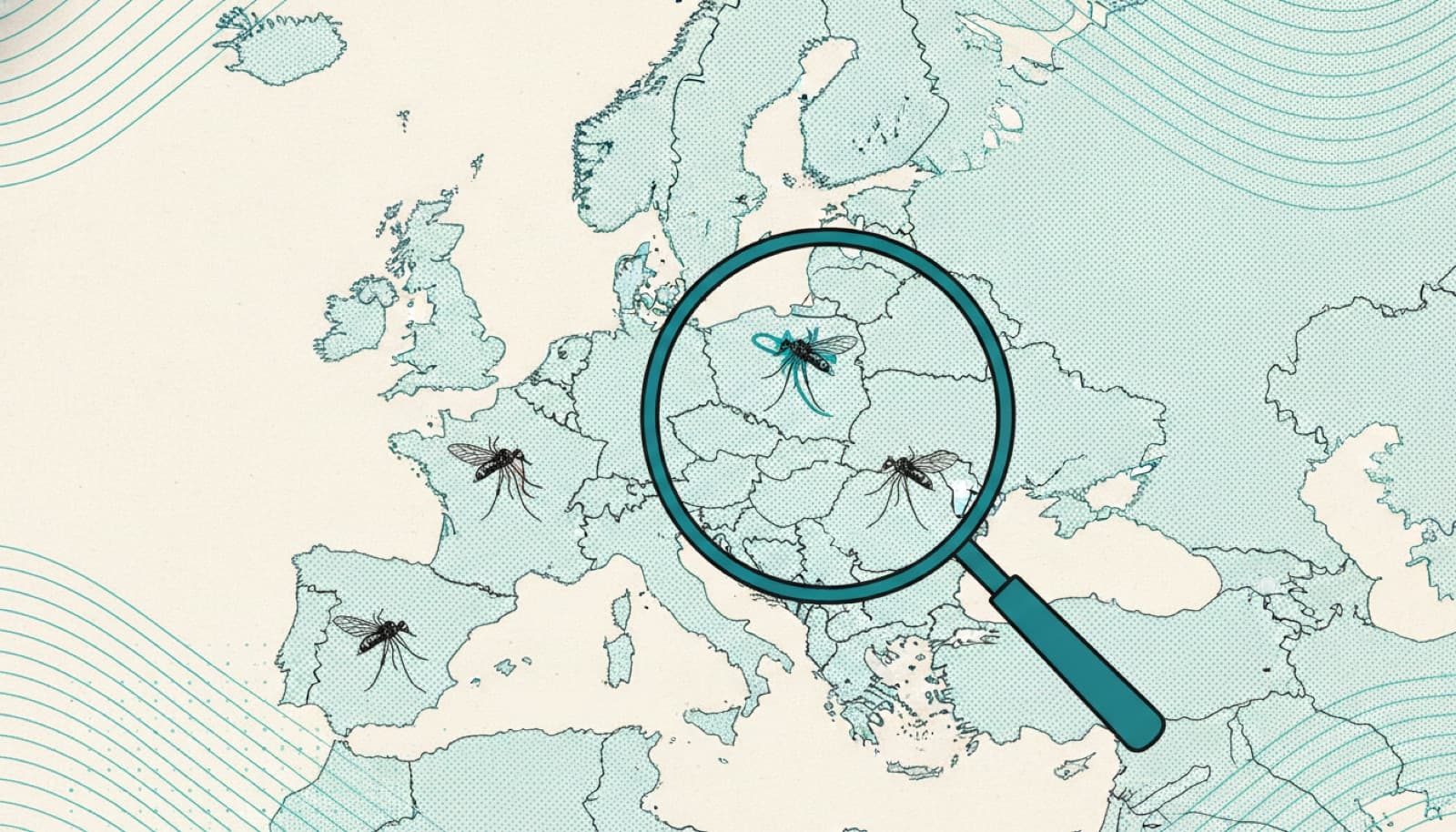
Mosquito species that used to be rare in Europe are now seen far more often. They include Aedes albopictus (the tiger mosquito), Aedes aegypti, Aedes japonicus japonicus, Aedes koreicus, Aedes atropalpus and Aedes triseriatus. The names matter less than the point: these mosquitoes were not common in our part of the world until recently.
Experts point to a warming climate and growing cities as the main reasons they are spreading.
Why it is worth knowing
Some of these species can transmit diseases, which is why the ECDC, the EU agency that monitors infectious diseases, tracks where they are found. Not every bite carries a risk: a mosquito can only pass on an infection it has picked up from an infected person or animal. Follow your local health advice, particularly when you travel.
What helps at home
- Empty standing water every week: plant saucers, buckets, toys left outside, blocked gutters. Tiger mosquitoes breed in very small amounts of water.
- Fit screens to windows and doors, and keep them closed at dusk.
- Cover up outdoors in the evening, when mosquitoes are most active.
- Where you need a skin repellent, use one and follow its label.
Treating the surfaces they rest on
Mosquitoes spend much of their time resting on surfaces near where they come in and where people sit.
Door and window frames, balcony walls and the underside of outdoor furniture are the surfaces worth treating. Our guide to the terrace in summer explains how.
Outdoors, rain on exposed surfaces shortens it.
Use biocides safely. Always read the label and product information before use.